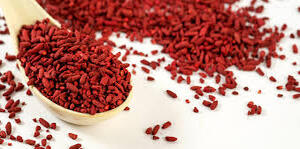
Monacolins derived from red yeast rice, specifically monacolin K, have been a widely used ingredient in food supplements for many years due to their ability to reduce blood cholesterol levels. Their close chemical similarity to lovastatin has always raised concerns about their safety, leading to ongoing evaluation.
Back in 2022, monacolins were included in Part B (restricted substances) of Annex III of Regulation (EC) No 1925/2006 of the European Parliament and of the Council of 20 December 2006 on the addition of vitamins, minerals and certain other substances to foods, reducing the maximum permitted amount to less than 3 mg/day and incorporating a series of warnings into the labeling of food supplements containing this ingredient. Consequently, the health claim approved by EFSA, which until then had been permitted for food supplements containing 10 mg/day of monacolin K— Monacolin K from red yeast rice contributes to the maintenance of normal blood cholesterol levels —could no longer be used.
In subsequent safety studies, EFSA has concluded that monacolins are not safe at any dose, and therefore intends to prohibit their use by including them in Part A (prohibited substances) of Annex III of Regulation (EC) No 1925/2006.
There are no definitive dates yet, but it is possible that the ban regulation will be published during 2026, and that there will be a 12-month transition period for food supplements based on monacolins that were legally marketed before it comes into force.
At Supplaffairs we can help you adapt the composition of your products to the new regulations, both in terms of formulation and regulatory procedures before the health authorities.